The Architecture of Sound: From Stage Organs to the Digital Frontier
I started classical piano lessons when I was about 10 years old. I stopped those after a couple of years as I didn’t like or relate to the music and discipline (scales!). A couple of years after that I went on to have lessons with a more contemporary teacher learning songs by contemporary artists like Madonna.
The real spark however, was a trip into Manchester with my parents to buy my first ‘proper’ instrument: a GEM Wizard 315 stage organ. To me, it was a revelation. It had a range of voices, auto-accompaniments with different styles that made me feel like I wasn’t just a student anymore, I was a conductor. I wasn’t just playing notes -I was building a world of sound.
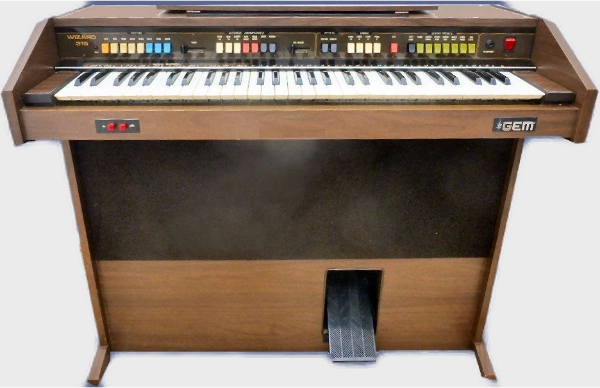
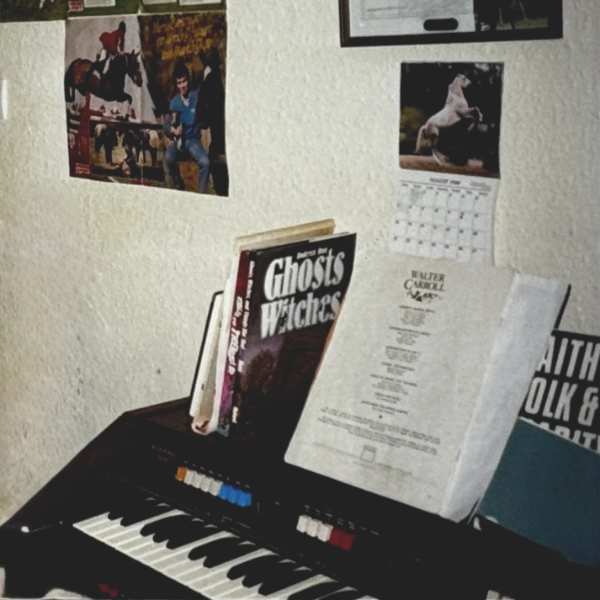
The Wizard 315 was the beginning of a lifelong obsession with the ‘architecture’ of a song – the way different parts fit together to create something bigger than the sum of their parts. It set the stage for everything that followed, from the workstation era of the 90s to the incredible digital tools I’m using today as Icebreeze.
The Workstation Era and the Art of the Mix
After a decade away from the keys, a chance visit to a friend’s house changed everything. He showed me his new keyboard, and the moment I heard those professional-grade patches, I knew I was back in. A few weeks later, I was the proud owner of a Korg 01w/fd.
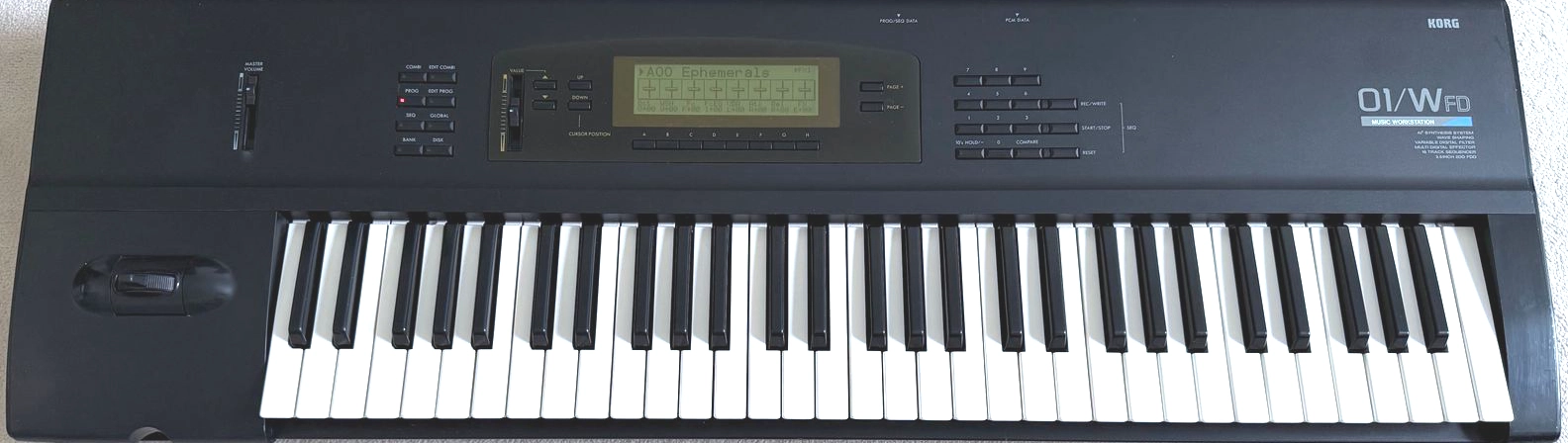
This wasn’t just a keyboard – it was a workstation. For the first time, I could sequence, record, and layer sounds myself. It brought me into the world of bands and live performance, but it also sparked a secondary passion – Live Sound Engineering. There is a unique fulfilment in crafting a ‘Front of House’ mix – balancing the power of a live band so it hits the audience with clarity and impact.
Engineering taught me how to listen ‘inside’ a song. It taught me how to give instruments space and how to build a foundation that supports a great vocal. When you hear the anthemic drive of an Icebreeze track today, that’s my engineering background speaking. I’m still aiming for that perfect ‘Front of House’ feel, just from inside my studio.
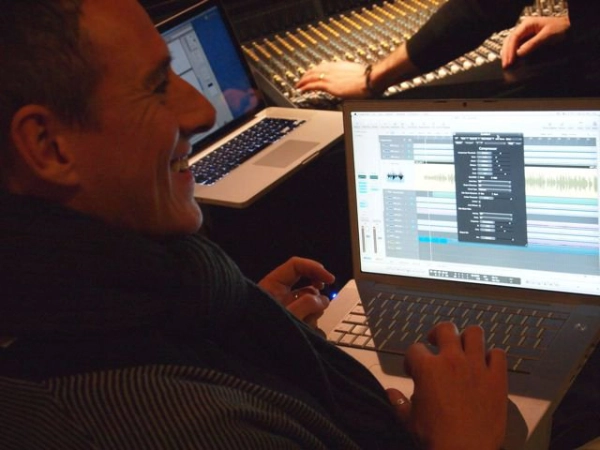
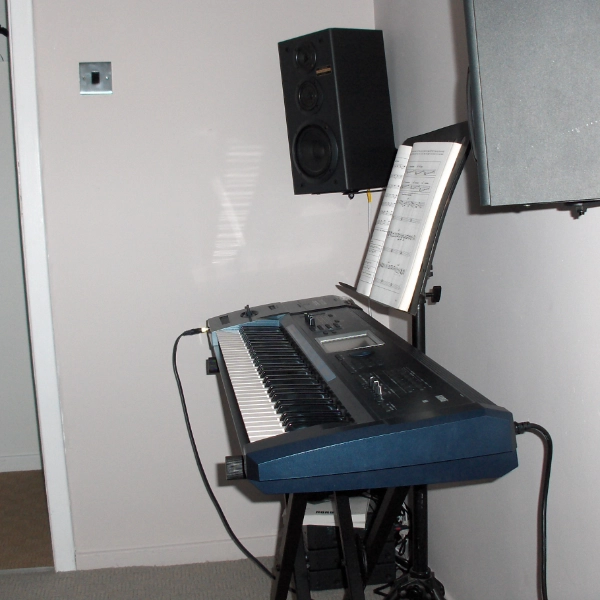
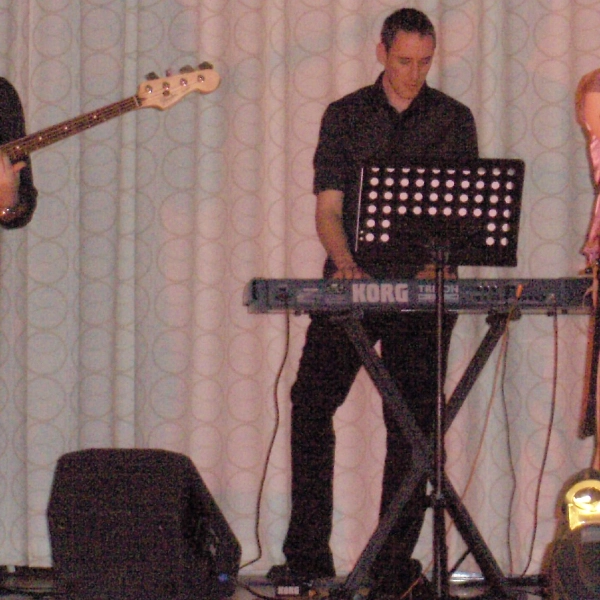
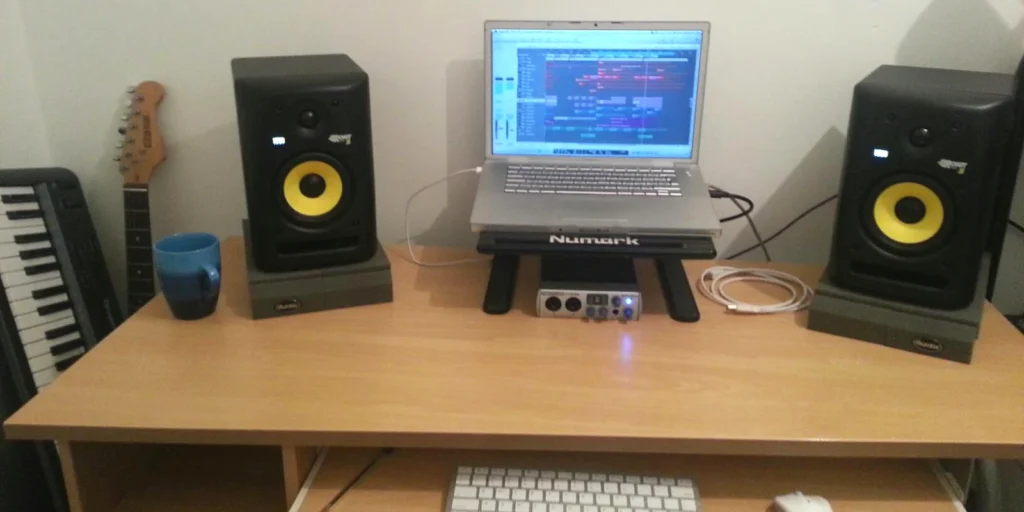
Eventually, the 01w/fd gave up the ghost. That’s when my Mum stepped in and bought me the Korg Triton Extreme. I can’t say enough good things about her support, that Triton became my workhorse for years. It survived the constant lugging from gig to gig, and helped me transition into the digital age when I eventually swapped the heavy hardware for a MacBook Pro with Logic Studio and Mainstage for the live performances.
The Digital Frontier: Finding My Voice
In 2013 life shifted, and for a long time the music went quiet. For various reasons I stepped away from it, thinking perhaps that chapter was now closed. But passion has a funny way of resurfacing when you least expect it.
In late 2025, a simple YouTube video about Logic Pro caught my eye. It wasn’t just a reminder of the software I was familiar with, it was a window into a completely new world. I saw how far the tools had come – how the ‘session players’ and massive loop libraries could now fill in for my limited playing ability and be a great source of inspiration.
A real lightbulb moment was discovering AI vocal technology. I’ll be the first to admit I’m not a perfect singer, so that was a barrier to releasing my own songs. Realising I could record my own vocals and then use a professional AI voice to bring them to life was the ultimate liberation.
Today, as Icebreeze, I’m not looking for a musical career. The gear has changed, and the tools are certainly more powerful than ever, but the goal remains the same – creating for the sheer joy of the sound.